OSS Spotlight: Actual Budget, Immich, and Vaultwarden
I spend a lot of time working with technology, and that doesn’t stop when the workday ends. There’s something satisfying about running useful software on your own hardware and maintaining it.
Three open-source projects I love are Actual Budget, Immich, and Vaultwarden.
Actual Budget
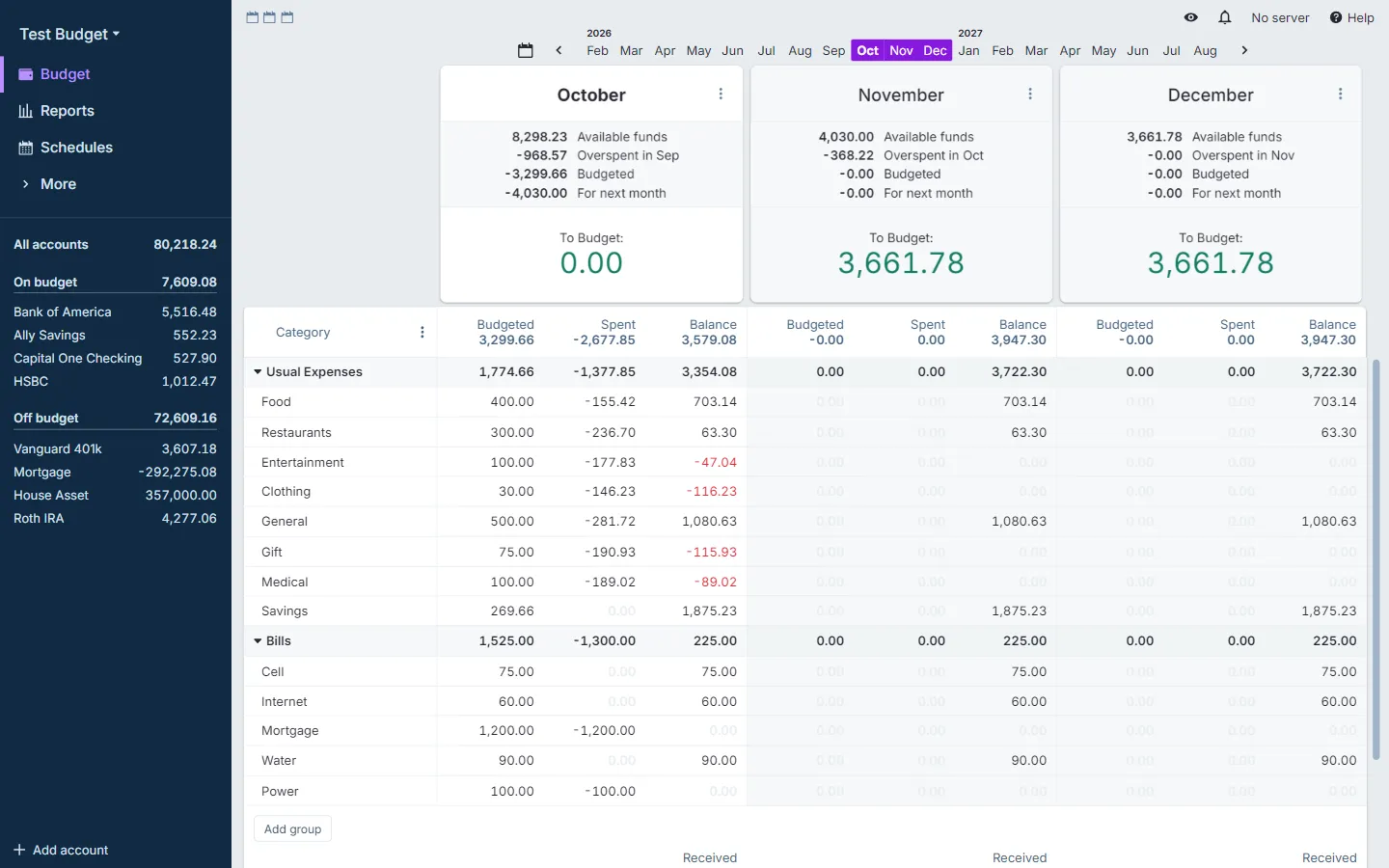
Actual Budget is a personal finance app built around envelope budgeting: assigning the money you have to different categories so you know what’s available to spend. It’s local-first, works offline, and supports syncing between devices through a server you can host yourself.
What appeals to me is the combination of simplicity and control, all without a subscription fee for the app itself. Budgeting already takes enough effort; the software should make it easier to understand what’s happening. Actual’s focus on categories, transactions, and clear reporting fits that nicely.
Immich
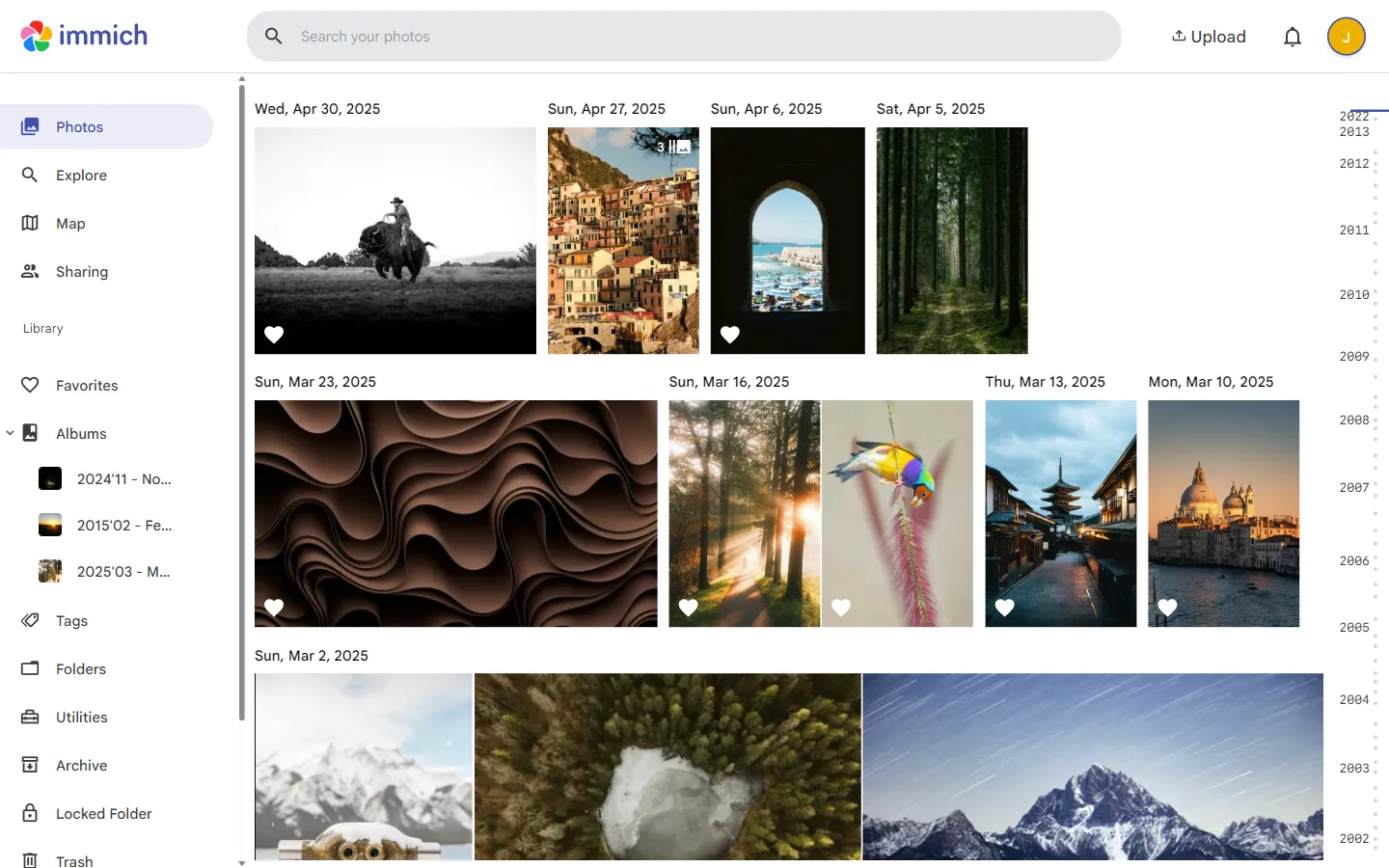
Immich is a self-hosted photo and video management platform, and one of my favorite alternatives to Google Photos. Its mobile apps can automatically upload photos and videos to your own server, keeping your library somewhere you control.
A big part of the appeal for me is relying a little less on Google and untangling from their ecosystem. Immich makes that feel practical without giving up the convenience that makes Google Photos appealing.
It has features like facial recognition, which groups photos by person and lets you assign names so you can find them more easily. Between trips, everyday pictures, screenshots, and an entirely reasonable number of dog photos, having tools to organize a growing library makes a difference.
Vaultwarden
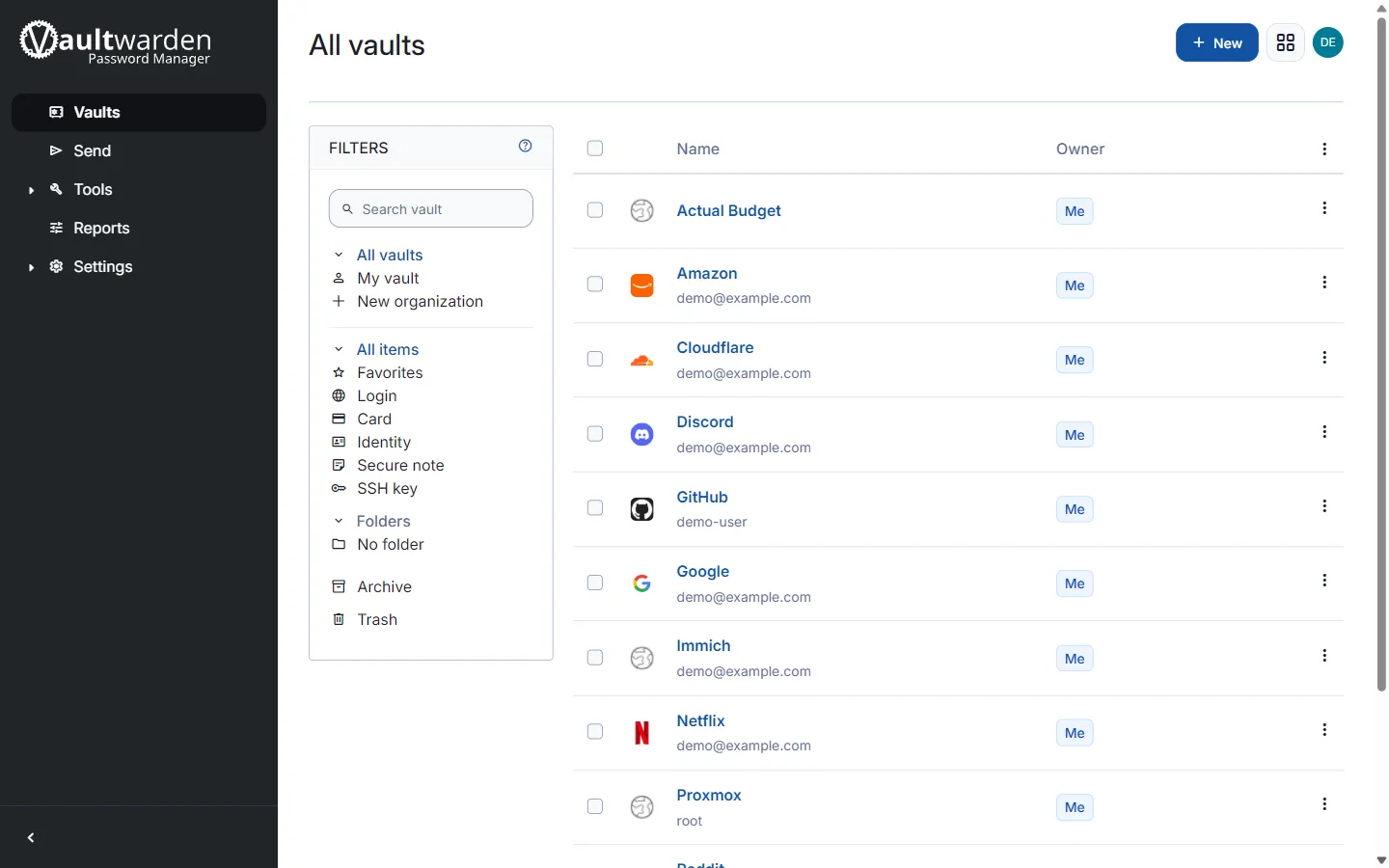
Vaultwarden is an unofficial, open-source server implementation compatible with Bitwarden clients. It’s written in Rust and offers a lightweight option for hosting a password vault while using the familiar Bitwarden apps and browser extensions.
The appeal here is convenience paired with control. A password manager should fit naturally into whatever device or browser you’re using. Being able to keep that familiar experience while hosting the server yourself is a compelling combination.
It’s also a service where the maintenance matters. Updates and reliable backups are part of the commitment when you’re responsible for the server holding your vault.
Wrapping up
These three projects capture a lot of what I enjoy about open source: useful software, control over how things run, and ownership of my data.
They also give me a pretty good answer when I ask myself why I need another piece of hardware.