Much of my working life is spent with technology, and that does not stop when the workday ends. Running useful software on hardware I own, and keeping it running, is a hobby I find satisfying. This spotlight covers three open-source projects I use at home: Actual Budget, Immich, and Vaultwarden.
Actual Budget
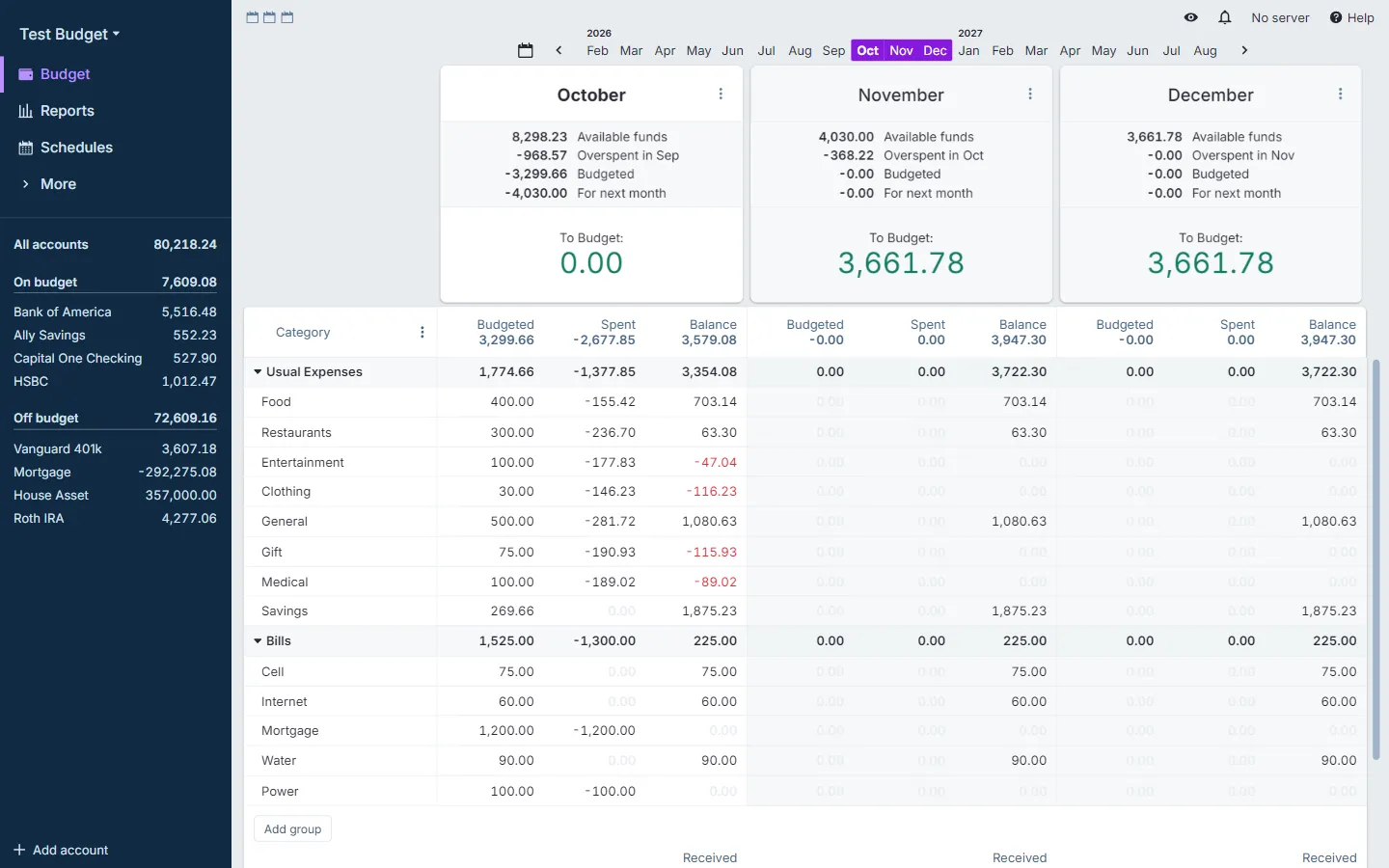
Actual Budget is a personal finance app built around envelope budgeting. You assign the money you have to categories, so you know what is left to spend in each one. It is local-first, works offline, and syncs between devices through a server you can host yourself.
I like it for the combination of simplicity and control. There is no subscription fee for the app itself. Budgeting already takes enough effort, so the software should make it easier to see what is happening, and Actual’s focus on categories, transactions, and clear reporting suits that. Note that envelope budgeting is a habit as much as a tool, so the app works best once you commit to the method.
Immich
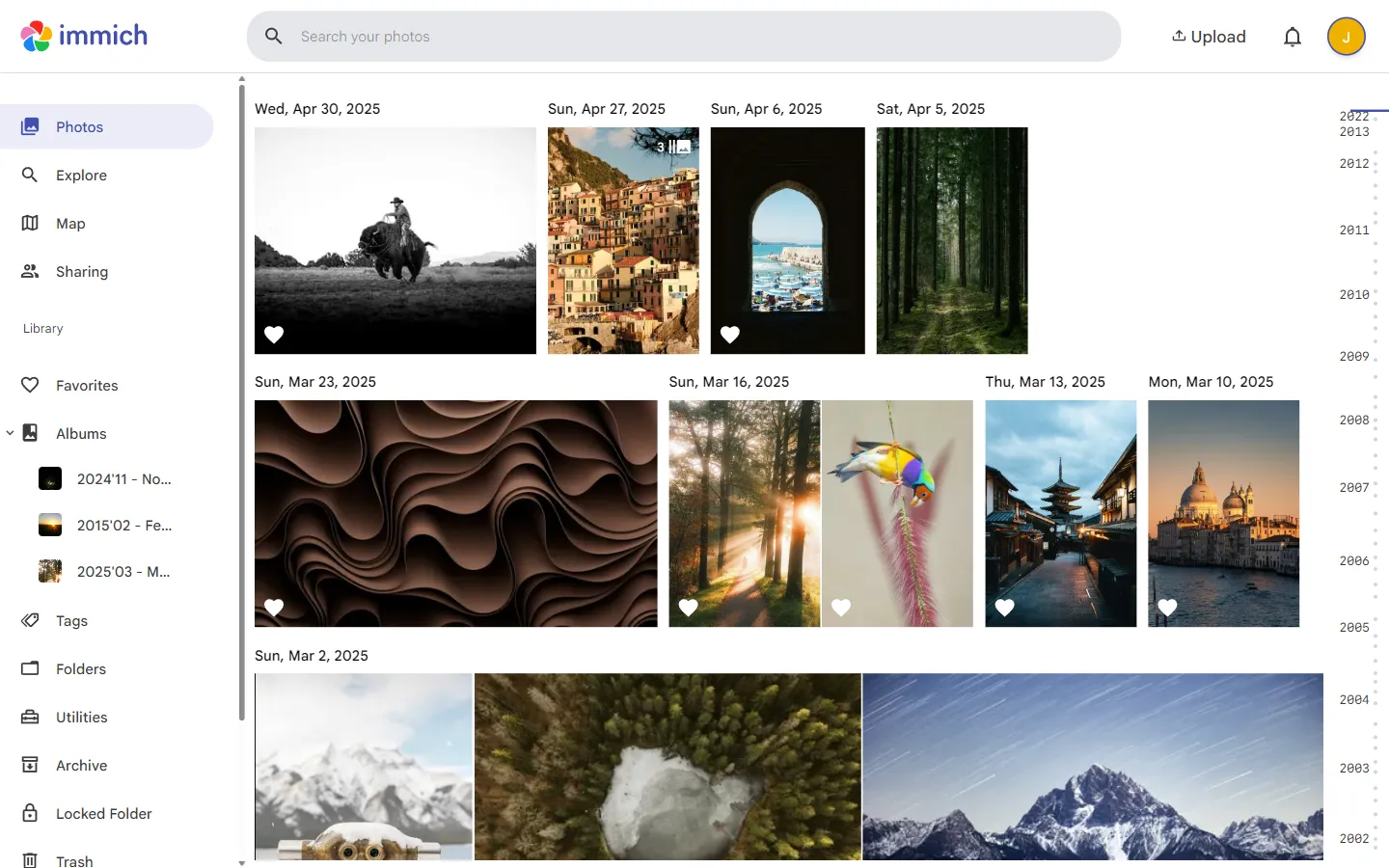
Immich is a self-hosted photo and video management platform, and it is one of my favorite alternatives to Google Photos. Its mobile apps can upload photos and videos to a server you run, so the library stays where you control it.
The main reason I use it is to rely a little less on Google and to loosen my ties to their ecosystem. Immich makes that practical without giving up the convenience that made Google Photos appealing in the first place. Remember that the photos now live on your server, which means the storage and the backups are yours to manage.
It has facial recognition, which groups photos by person and lets you name them so they are easier to find. Between trips, everyday pictures, screenshots, and an entirely reasonable number of dog photos, the organizing tools make a real difference as the library grows.
Vaultwarden
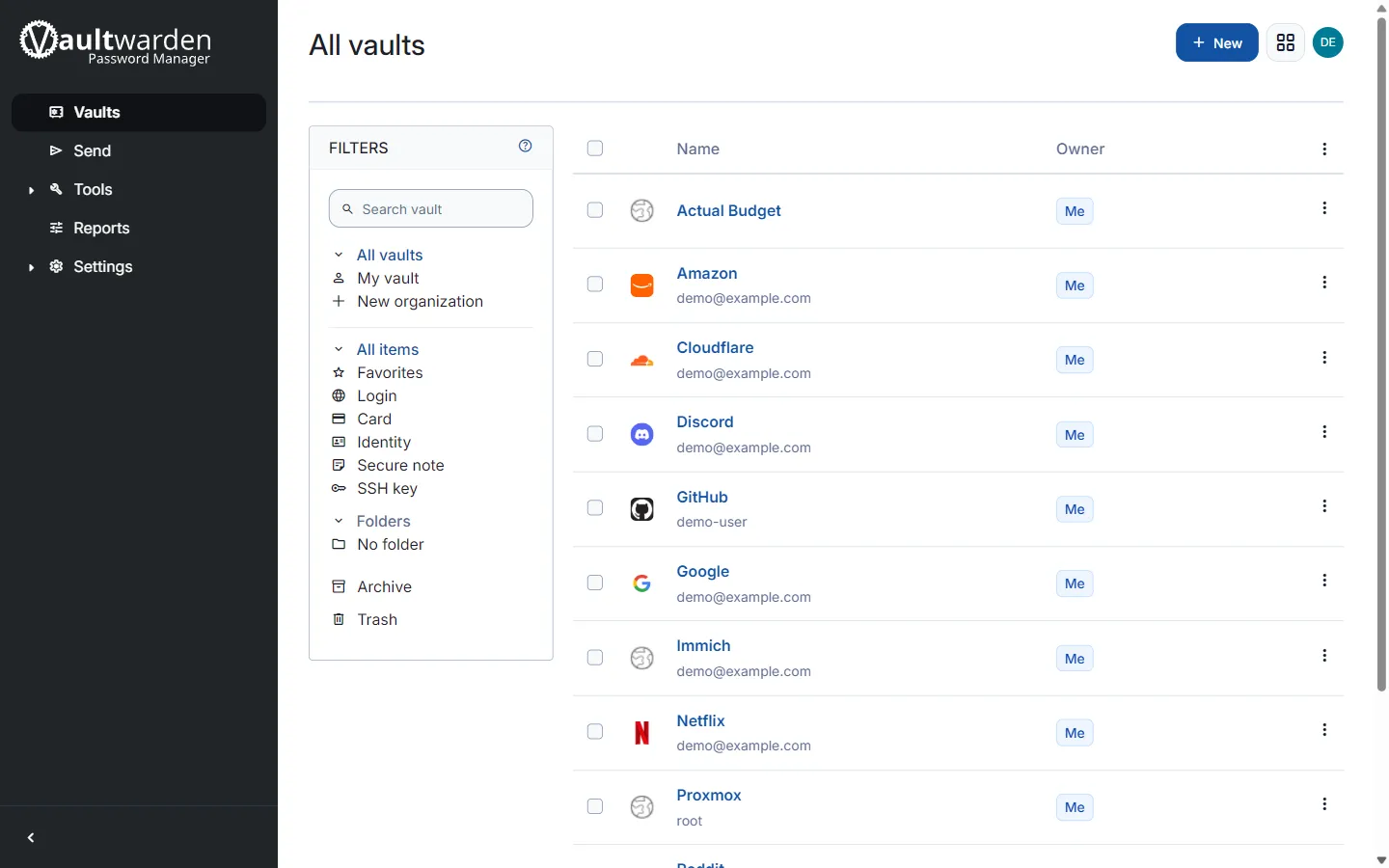
Vaultwarden is an unofficial, open-source server that is compatible with the Bitwarden clients. It is written in Rust and is a lightweight way to host a password vault while keeping the Bitwarden apps and browser extensions you already know.
The appeal is convenience paired with control. A password manager has to fit naturally into the devices and browsers you use, and keeping that familiar experience while hosting the server yourself is a combination I value. Though the maintenance matters a great deal here. The server holds your vault, so the commitment has two parts: (i) applying updates, and (ii) making sure the backups can actually be restored.
These three apps also give me a reasonable answer to the question of why I need another piece of hardware.